Thinking about a move to Montclair but not sure which neighborhood fits your life? You are not alone. With distinct pockets that vary by price, commute options, and day-to-day feel, it helps to compare them side by side. In this guide, you will get a clear look at the major areas, what to expect for housing and costs, how the magnet school system works, and a simple checklist to build your shortlist. Let’s dive in.
Why Montclair tops the shortlist
Montclair blends small-town charm with real transit access to NYC. The township covers about 6.24 square miles and has a population in the low 40,000s, based on the latest estimates in the Census QuickFacts for Montclair. Multiple stations along the Montclair–Boonton Line make daily commuting realistic for many buyers.
You will also find a busy downtown dining scene, a strong arts calendar, and easy access to parks and local shops. That mix is why Montclair often rises to the top for NYC relocators and local move-up buyers.
Neighborhood snapshots
Below are quick, buyer-focused notes on areas many house hunters compare. Price references reflect recent Realtor.com neighborhood snapshots and should be confirmed against live MLS data at offer time.
Upper Montclair
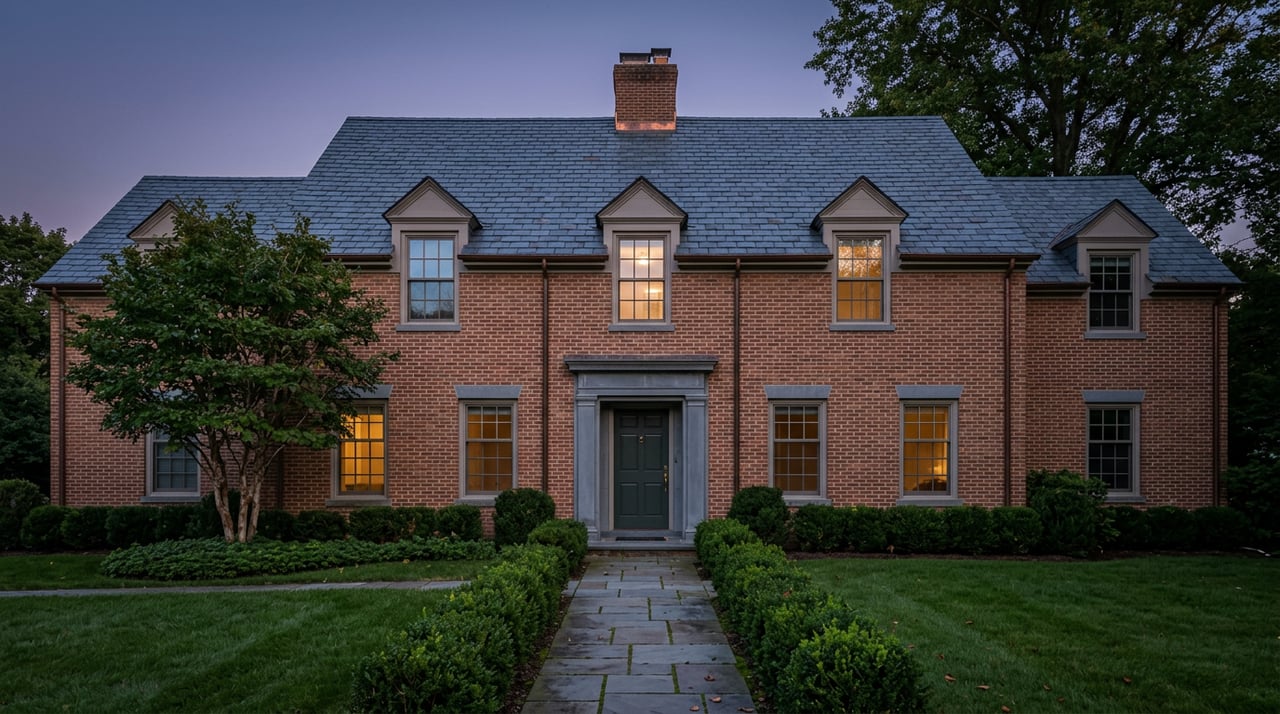
- Vibe: A compact village center with shops and cafes anchors tree-lined streets north of Watchung Avenue. Buyers tend to look here for classic homes and a quieter residential feel. Background on the township and its historic character appears in Montclair’s overview.
- Housing: Victorian, Colonial, and Tudor homes are common, with several historic-district pockets that guide exterior changes. If you plan updates, review the township’s Historic Preservation Commission resources, including recent approvals, on the Montclair HPC page.
- Transit: Upper Montclair station sits on the Montclair–Boonton Line. Walking or short drives to the station work well for many commuters.
- Price view: Realtor.com’s neighborhood snapshot showed a median around $864,000, with renovated larger homes trading higher. Always confirm live comps before making an offer.
Montclair Center / Walnut Street
- Vibe: This is the most walkable, restaurant-rich corridor, centered on Bloomfield Avenue and Walnut Street. For a helpful orientation to local dining and arts, see this guide to moving to Montclair.
- Housing: A mix of condos, townhomes, and pre-war multifamily buildings sits close to single-family streets. If you want a short walk to shops and trains, this area stands out.
- Transit: Walnut Street and Bay Street stations both serve the line; Walnut Street is one of the busier stops with parking options noted on the Walnut Street Station page. Bay Street is the weekend terminus for some services, so always check current schedules.
- Price view: Recent neighborhood snapshots placed Montclair Center at the higher end, around $1.6 million for single-family medians. Condos and smaller units usually price below that. Expect a premium for walkability.
South End
- Vibe: Denser housing with more multifamily options and active redevelopment pockets. Many buyers consider South End for relative value within Montclair.
- Housing: Smaller single-family homes, multi-family properties, and some newer townhomes add variety for both end-users and investors.
- Transit: Proximity to bus corridors and downtown stations varies by block. Confirm your walk or drive time to the train from a specific address.
- Price view: Snapshots often show medians in the high $600,000s to low $800,000s. Use current comps to refine.
Watchung Plaza
- Vibe: A compact commercial node with small shops and a cozy, village-scale feel around Watchung Avenue and Park Street.
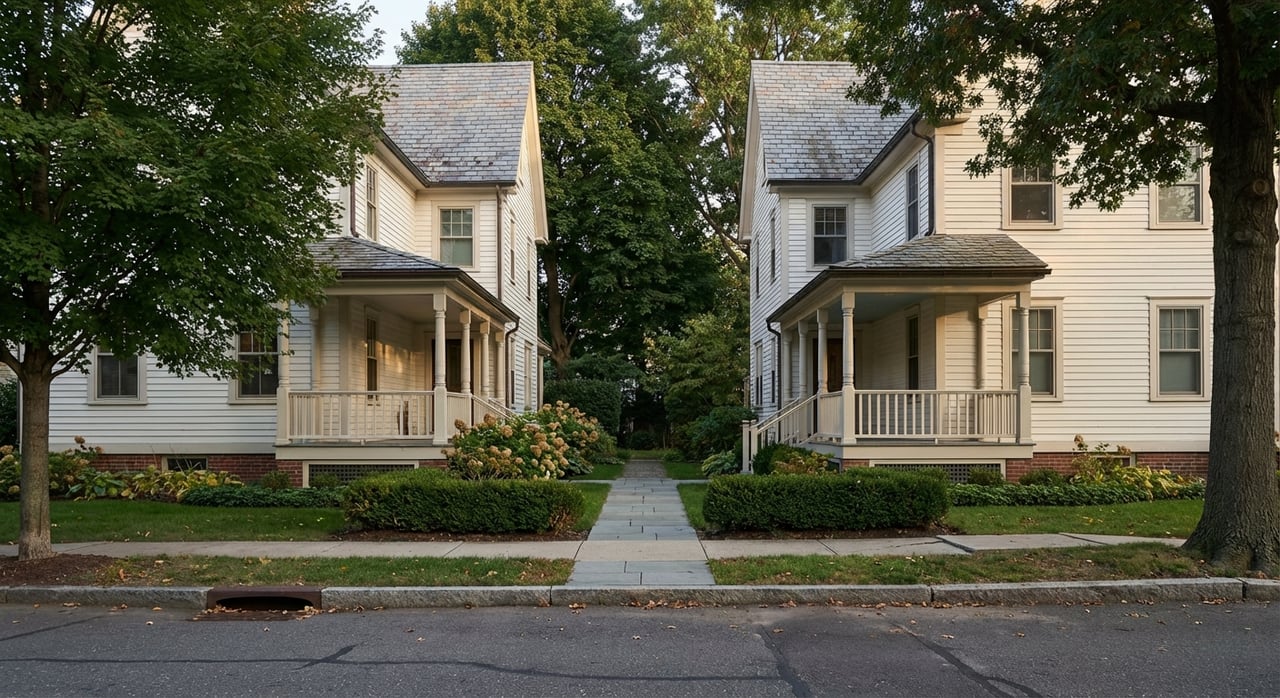
- Housing: Streetcar-era homes, small-lot singles, and apartments are common nearby. Many streets offer a short walk to Watchung Avenue station.
Montclair Heights / Montclair State area
- Vibe: Campus-edge living near Montclair State University with a blend of owner-occupied homes and rentals. Useful transit details are summarized by the university’s public transit information.
- Housing: Smaller single-family homes, duplexes, and rental units are typical, with some larger lots uphill.
Historic pockets to know
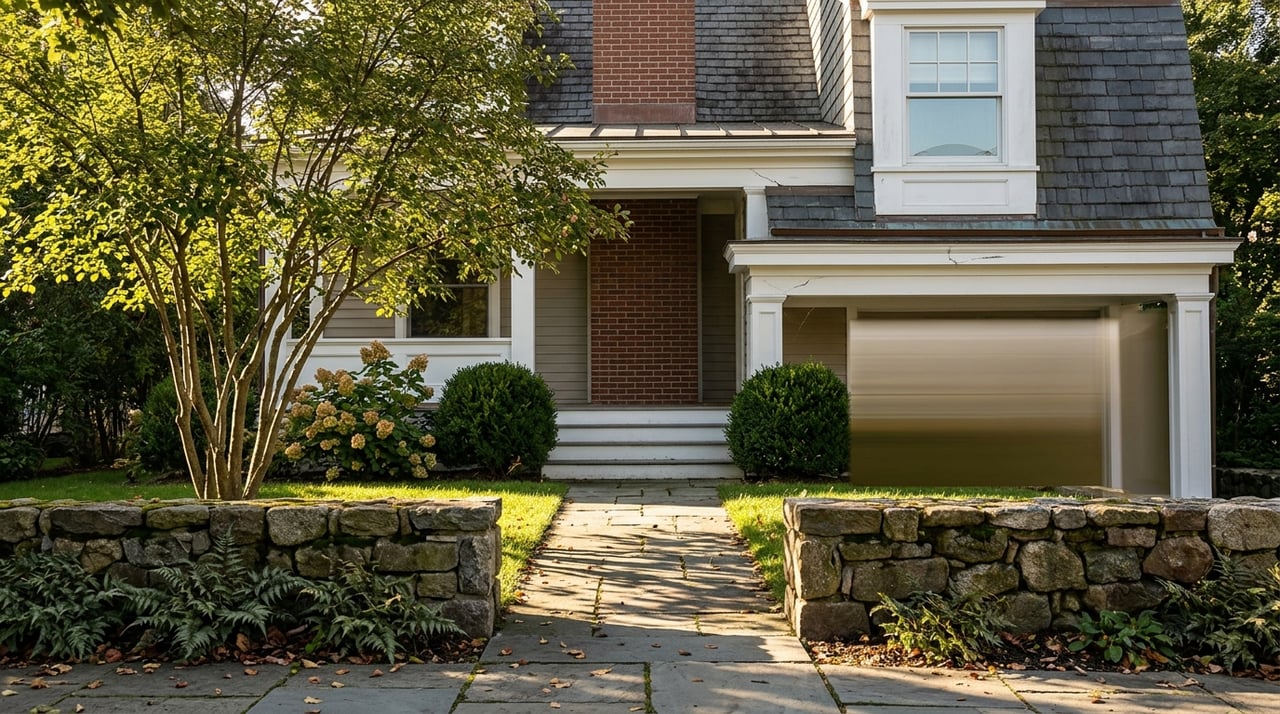
Montclair includes several local historic districts that shape the look and feel of streets and storefronts. If you plan exterior changes, expect additional review and permitting through the Historic Preservation Commission. You can preview process and examples on the Montclair HPC page.
Transit and commute trade-offs
Montclair’s stations each have different service patterns, and schedules can vary by time of day and day of week. Bay Street is the weekend terminus for some services on the Montclair–Boonton Line. If you plan to drive to the train, check station parking details and municipal permit rules in advance. Walnut Street’s parking notes are outlined on the Walnut Street Station page.
For planning, the township’s mean commute time sits around the mid-30 minutes according to Census QuickFacts. Your experience can differ by address and schedule. Test a live commute from any home you are serious about during peak hours.
Schools and magnet assignment
Montclair uses a magnet and choice-based assignment model. Students do not automatically attend the nearest elementary school. Program themes and placements differ, so confirm how the process applies to your specific address with the district. You can review an overview of the structure in the Montclair Public Schools profile.
Voters also approved a major bond referendum in 2022, roughly $187.7 million, to invest in aging school buildings and systems. You can learn more about that vote in local reporting on the school investment referendum. Project phases and construction timelines may affect certain campuses, so factor that into your planning.
Property taxes and monthly costs
Montclair’s effective property tax burden is higher than national norms. Estimates suggest a median effective tax rate around 3.3 percent, with many annual bills landing in the low to mid five figures. Review the context in this Ownwell snapshot for Montclair, then confirm a specific property’s history with the municipal tax assessor. Build taxes and likely maintenance into your monthly budget from the start.
Walkability and everyday life
If daily errands by foot matter to you, Montclair Center and Walnut Street deliver some of the strongest walkability, plus the seasonal farmers market at Walnut Street station. Upper Montclair offers a smaller village strip with grocery and cafes. The South End has varied walk access by block, with quick drives to major corridors.
For a feel of local dining, arts, and activity clusters, preview this moving to Montclair overview. When you compare addresses, use on-the-ground visits and a tool like Walk Score’s Montclair page to confirm the lifestyle you want.
How to choose your Montclair neighborhood
Use this step-by-step plan to narrow your search with confidence:
- Set a firm budget and map it to areas
- Under about $800,000: Start with South End and Montclair Heights. Expect more multifamily and smaller single-family options.
- About $800,000 to $1.4 million: Broader choices open up, including larger condos and some single-family homes in Upper Montclair and near Watchung Plaza.
- $1.4 million and above: Look to Montclair Center for walkable single-family options and to larger, renovated historic properties across town.
- Test your commute
- Pick two addresses per target area and do a peak-hour train or drive run both directions. Use the Montclair–Boonton Line overview to frame station options, then verify live schedules.
- Confirm school assignment
- If a program or campus is a priority, speak with the district early. The magnet system does not assign only by home address. Start with the district profile summary and request current rules from the district.
- Visit at different times
- Compare weekday rush hour, weekend daytime, and evenings. Note parking pressure, restaurant activity, and street feel.
- Check renovation and historic rules
- If the home sits in a historic district, your exterior changes may need HPC review. Scan recent approvals on the Montclair HPC page and factor timelines into your plan.
- Ask for hyperlocal comps and tax history
- Have your agent pull six-month neighborhood comps, property tax history, and any known local assessments or projects that could affect the area.
Quick picks by priority
- Walkability plus direct train access: Focus on Montclair Center, Walnut Street, and Bay Street-adjacent blocks.
- Classic homes with more space and a village feel: Zero in on Upper Montclair and nearby historic pockets.
- Value or investment potential: Include South End and Montclair Heights in your shortlist.
Ready to tour?
A move to Montclair starts with clarity on budget, commute, and day-to-day lifestyle. If you want a curated shortlist and on-the-ground guidance, reach out to Jacqueline Morales for a personalized market plan that fits your goals. Our team provides white-glove search, from private previews and neighborhood comps to offer strategy and closing support. Hablamos español.
FAQs
How does Montclair’s school assignment work?
- Montclair uses a magnet and choice-based system rather than assigning only by nearest school, so confirm how your address fits the current process with the district and review the district profile summary.
What are typical Montclair property taxes?
- Estimates place the median effective tax rate around 3.3 percent, with many annual bills in the low to mid five figures; review the Ownwell snapshot and confirm the exact bill with the tax assessor.
Which Montclair areas are most walkable?
- Montclair Center and Walnut Street offer strong walkability and access to dining and events; use Walk Score’s Montclair page and in-person visits to compare addresses.
What should I know about commuting from Montclair?
- Several stations on the Montclair–Boonton Line serve the township, with service patterns that vary by time and day; Bay Street is the weekend terminus for some services, so check live schedules.
Do historic districts affect renovations?
- Yes. Exterior changes in designated districts often need Historic Preservation Commission review; preview process and examples on the Montclair HPC page.
Is Montclair investing in school buildings?
- Voters approved about $187.7 million in 2022 for upgrades to aging facilities; see details in local reporting on the referendum, and check project timelines with the district.