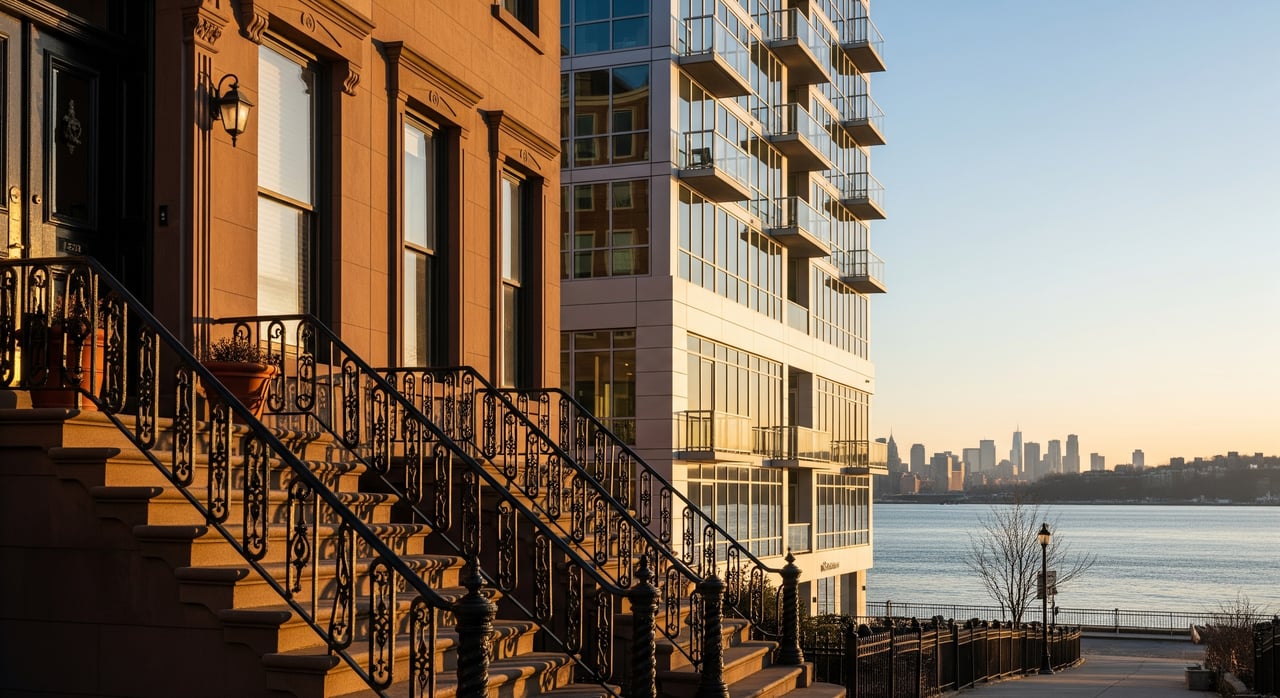
Torn between the charm of a Hoboken brownstone and the convenience of a modern condo? You are not alone. In a city known for historic rowhouses, easy transit, and a vibrant streetscape, both choices can be great fits for different lifestyles. In this guide, you will learn how ownership, monthly costs, maintenance, regulations, and daily living compare, so you can decide with confidence. Let’s dive in.
What Hoboken brownstones look like
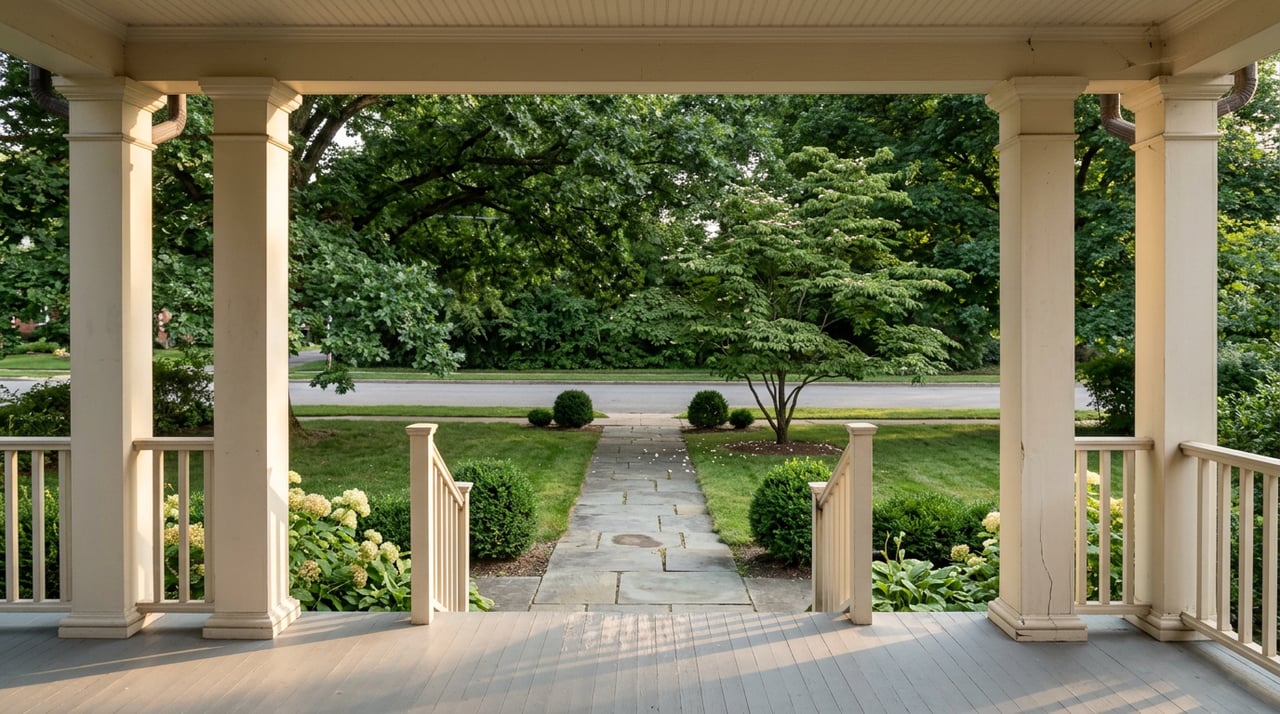
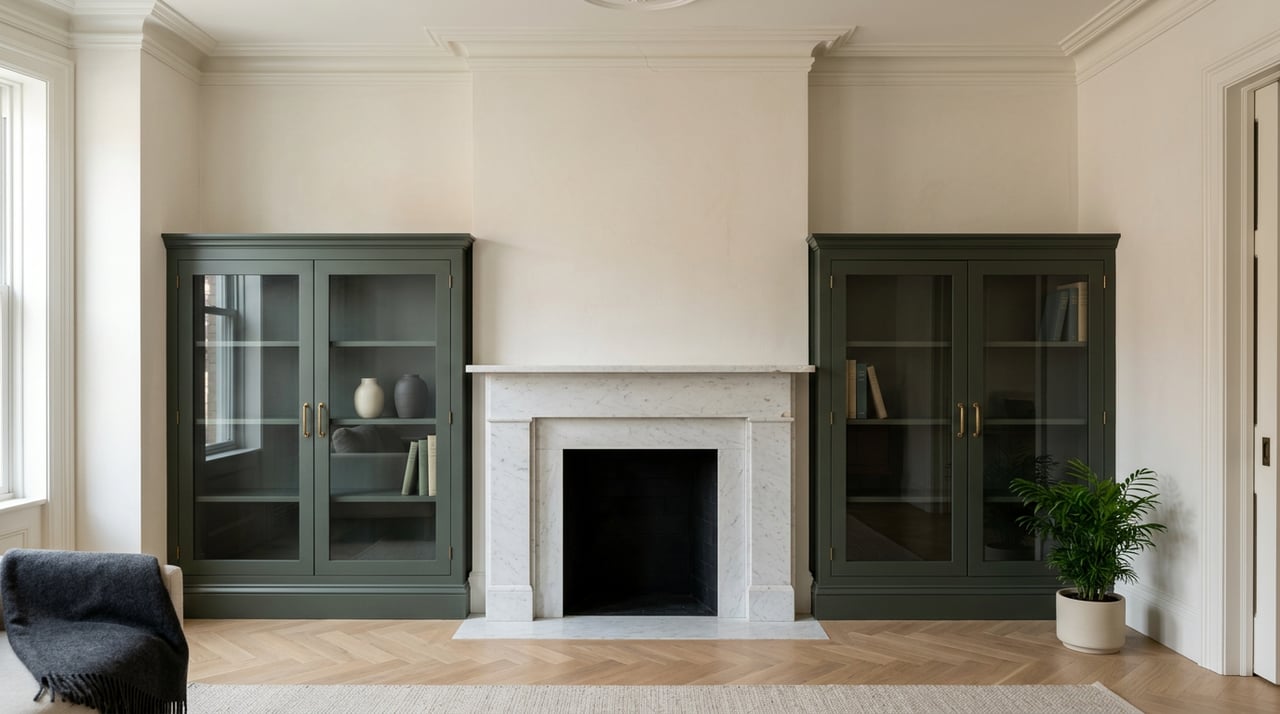
Hoboken brownstones are 19th and early 20th century rowhouses with brick or brownstone facades and classic details. You will often see stoops, tall windows, original woodwork, and multiple stories on narrow lots. Some are single family, while many are two to four units.
You get private entrances and a historic streetscape. Some homes have been fully restored, while others need system upgrades. In many cases, the character and space per unit can feel larger than a typical condo.
What Hoboken condos offer
Hoboken condos range from walk-ups in converted historic buildings to mid- and high-rises built in recent decades. Many newer buildings offer elevators, gyms, package rooms, parking garages, and sometimes a doorman.
Condos attract buyers who want lower exterior maintenance and shared services. Financing can be more straightforward in newer, well-managed buildings. Price points vary by age, size, location, and amenities.
Ownership and rules compared
Buying a brownstone as a single family or as an entire multi-unit building is usually fee simple. You control the interior and exterior within local zoning and building codes. If the building is in a historic district, exterior changes often require design review.
Buying a condo means you own a unit plus a share of common elements under a master deed. You are governed by association bylaws and rules that can cover pets, renovations, leasing, and noise. Lenders will review the association’s reserves, budgets, and owner-occupancy ratios during financing.
Monthly costs at a glance
Both options share core expenses:
- Mortgage principal and interest
- Property taxes
- Insurance and flood insurance if required
- Utilities like gas, electric, water, and sewer
- Ongoing maintenance and repairs
Brownstone-specific costs:
- All exterior and structural work is yours, including roof, facade, masonry, windows, stoop, and gutters
- Interior systems like HVAC, electrical, and plumbing are your responsibility
- Older building systems may raise costs if you need upgrades to meet current code
Condo-specific costs:
- Monthly HOA fees that may include building insurance, exterior maintenance, common utilities, elevator service, and amenities
- Contributions to reserves for future capital projects
- Possible special assessments for major repairs if reserves fall short
New Jersey property taxes are relatively high statewide, so confirm the current assessment and tax bill for any property you are considering. For flood risk areas in Hoboken, expect to price flood insurance early in your process.
Maintenance and risk factors
Historic brownstones often need more hands-on attention. Typical issues include:
- Masonry repointing and brick or stone repair
- Wood rot at trim and cornices
- Aging roofs and flashing
- Possible lead-based paint or asbestos in older finishes that require licensed remediation
- Older electrical and plumbing that may be inefficient or noncompliant
Condos reduce exterior duties, but you should focus on the association’s health. Review the reserve study, meeting minutes, and history of special assessments. Buildings with healthy reserves manage large projects like roofs, facade work, and elevators without frequent surprise costs.
Flood risk is a shared concern in Hoboken. Many properties saw impacts during major storms such as Superstorm Sandy. Your lender may require flood insurance if the home lies within a mapped flood zone. Basement conditions and building elevation matter for both property types.
Historic and regulatory items in Hoboken
Hoboken has designated historic districts and a Historic Preservation Commission. If a brownstone sits in a district or is landmarked, exterior changes like windows, stoops, and rooflines often need prior approval. Expect approvals to add time and require historically appropriate materials.
Renovations that affect structure, egress, or major systems require building permits and inspections. Older homes may trigger additional work when you bring systems up to modern code. Zoning rules govern unit count, conversions, parking, and setbacks, so verify that any future plans match what is allowed.
Historic tax incentives are limited for owner-occupied primary residences. Federal programs typically focus on income-producing properties, and state or local incentives vary by eligibility.
Parking is tight citywide. Some condo developments include deeded or garage parking, often for a fee. Most older brownstones do not have off-street parking. You will likely rely on resident permits and municipal garages.
Lifestyle and daily living
Privacy and control:
- Brownstone: more autonomy and a private entrance, plus the ability to personalize your space
- Condo: less exterior control, but fewer maintenance tasks and services that simplify daily life
Space and layout:
- Brownstone: more vertical square footage and character, but narrower rooms and more stairs
- Condo: modern layouts, elevators, and accessible features, with space that varies by building and price point
Amenities and services:
- Brownstone: private outdoor space is uncommon; many owners rely on parks
- Condo: amenities like gyms, package rooms, and communal outdoor areas are common
Commute and transit:
- Both: access to PATH, NJ Transit, and ferries depends on the specific address; Hoboken is highly walkable and transit friendly
Parking and storage:
- Brownstone: off-street parking is rare and costly to create
- Condo: may offer garage or deeded parking for an added fee
Resale and liquidity:
- Brownstone: strong appeal for buyers who want historic character, yet the buyer pool can be more niche
- Condo: often a broader audience, but building financials and rules can affect marketability
Rental potential and regulations:
- Brownstone: some multi-unit properties allow you to live in one unit and rent others, subject to local rules
- Condo: bylaws may allow renting, though short-term rentals can be restricted
Accessibility:
- Brownstone: expect stairs and limited adaptability
- Condo: elevators and single-level living can suit different mobility needs
Quick decision guide
Choose a brownstone if you want:
- A private entrance and more control over your home inside and out
- Historic details and the freedom to customize with renovations
- Willingness to manage contractors, maintenance, and permits
Choose a condo if you want:
- Lower exterior maintenance and on-site services
- Amenities like a gym, elevator, and package room
- A structured environment with clear rules and shared costs
Smart due diligence checklist
- Schedule a full home or building inspection and get contractor estimates for any flagged items
- For condos: review the budget, reserves, master insurance, meeting minutes, and any pending special assessments or litigation
- For brownstones: pull permit history, verify past alterations, and evaluate structural and system updates
- Determine the flood zone and obtain flood insurance quotes before you commit
- Check whether the property sits in a historic district and confirm any exterior limitations
- Confirm zoning, unit count, parking options, and resident permit rules
- Have a local real estate attorney review title, easements, and association documents
How we help you decide
You deserve a clear, stress-free path to the right home. The Morales Group pairs local Hoboken expertise with white-glove guidance, from first tour to closing. We walk you through building condition, HOA health, flood exposure, and historic restrictions, then map those insights to your lifestyle and budget.
As part of the Christie’s International Real Estate network, our team combines premium marketing reach with hands-on service. Whether you are an end user or a small-scale investor, we coordinate inspections, gather documents, and negotiate key protections so you can move forward with confidence.
Ready to compare homes side by side and run real numbers? Connect with Jacqueline Morales to Request a Personalized Market Plan.
FAQs
Do Hoboken brownstones require special approval for exterior changes?
- If a property is in a historic district or designated as a landmark, exterior alterations often need approval from the local preservation authorities before work begins.
What do Hoboken condo HOA fees usually cover?
- HOA fees typically fund building insurance, exterior maintenance, common utilities, elevator service, amenities, and reserves for capital projects, but specifics vary by building.
Will I need flood insurance for a Hoboken home or condo?
- Your lender may require flood insurance if the property is in a mapped flood zone; even outside those areas, you should evaluate basement risk and consider a quote.
What maintenance surprises are common in historic Hoboken rowhouses?
- Expect possible masonry repointing, roof and flashing work, wood rot repair, and updates for older electrical or plumbing; lead paint or asbestos may require licensed remediation.
Is financing different for an older brownstone versus a condo?
- Lenders scrutinize older structures for condition and flood exposure, while condo loans also require review of the association’s financials, reserves, and owner-occupancy ratios.
Are there tax incentives for restoring a Hoboken brownstone I plan to live in?
- Federal incentives generally apply to income-producing properties, while state or local programs vary; owner-occupied primary residences have limited options.