Accepted an offer in New Jersey? The clock starts now on inspections, deadlines, and decisions that can shape your purchase. It can feel like a lot at once, especially if this is your first time. In this guide, you will learn the typical NJ inspection timeline, which tests to consider, who attends, and how to negotiate repairs with confidence. Let’s dive in.
NJ inspection timeline
Day 0 to 3: Schedule fast
- Offer accepted is Day 0. Your inspection period starts once both parties sign.
- Book the general home inspection right away, ideally within 48 to 72 hours.
- If the home may need specialty tests, plan those now so they fit within your contingency window.
Why speed matters: inspection contingencies have hard deadlines in many NJ contracts. Missing a deadline can reduce your options, so keep your agent and attorney looped in on dates.
Inspection day: What happens
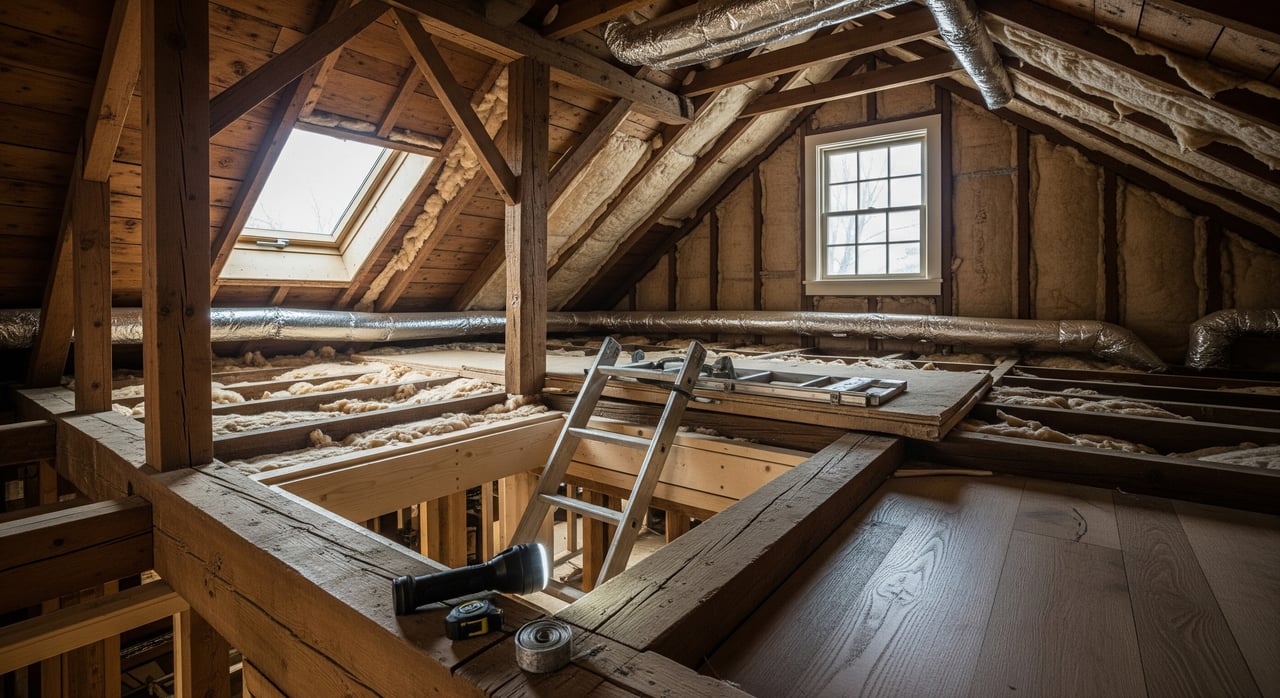
- A licensed or nationally certified inspector conducts a visual review of major accessible systems: roof, exterior, foundation, plumbing, electrical, HVAC, interior, attic, insulation, and built‑ins.
- You should attend. It is your best chance to see issues first‑hand and ask practical maintenance questions.
- Specialty inspections, when needed, are often done by separate technicians and may require additional access.
Report and next steps
- Most inspectors deliver a written report within 24 to 72 hours.
- Review the report quickly and decide: request repairs, request a credit, or accept the home as‑is.
- Your agent helps draft an inspection objection or addendum before the contingency window closes.
Negotiation and repairs
- The seller can agree to repairs, offer a credit or price reduction, decline, or propose alternatives.
- If you reach agreement, repairs are completed before closing or handled via a credit or escrow holdback.
- If you cannot agree and your contract allows, you may cancel within the contingency period.
- Expect a final walk‑through before closing to confirm agreed work and that no new issues emerged.
Common NJ inspections
General home inspection
Purpose: a visual evaluation of the home’s major accessible systems. It helps you understand condition and prioritize maintenance. Ask about the inspector’s experience, sample reports, and insurance. Many buyers look for affiliations with groups like ASHI or InterNACHI.
Radon testing in New Jersey
NJ has areas with elevated radon potential. Basement and lower‑level tests are common. Results can influence negotiations, and mitigation systems are straightforward when needed.
Septic and well considerations
Outside sewered areas, many properties rely on private septic systems and wells. A septic inspection and permit review evaluate condition and capacity. Well water testing checks for bacteria, nitrates, lead, and other local concerns. These tests may involve local health departments and separate scheduling.
Lead and termite checks
- Lead‑based paint: For homes built before 1978, federal disclosures apply. Buyers often order testing in older homes.
- Wood‑destroying insects: Termite inspections are common. Some loan programs and insurers may require documentation or treatment.
Mold and other follow‑ups
Mold testing is usually ordered only when there are visible signs or health concerns. Other targeted inspections can include chimney and fireplace evaluations, roof certifications, HVAC performance tests, or structural engineer reviews when the general inspection flags concerns.
Key contingencies to know
- Home inspection contingency: Lets you inspect, negotiate, or cancel within the period.
- Radon, septic, pest, and lead contingencies: Often added as specific conditions.
- Financing contingency and attorney review: Separate from inspections but can overlap with timelines. Coordinate with your agent and attorney to avoid conflicts.
Who attends and why it matters
Your role as the buyer
Attend the general home inspection if you can. You will see issues in real time, hear maintenance tips, and better understand priorities. It also reduces surprises when the written report arrives.
Your agent’s role
Your agent helps you schedule quickly, track deadlines, and communicate with the seller’s side. They can share lists of vetted inspectors and specialty vendors, coordinate access, and help prepare repair requests and addenda for attorney review.
Who else is there
- The inspector conducts the inspection and prepares the report.
- Specialty technicians may visit separately for radon, septic, well, or other tests.
- Sellers usually do not attend the buyer’s inspection unless everyone agrees.
How to negotiate repairs
Prioritize what matters
Use a simple framework to focus your requests:
- Safety and code-related hazards first: electrical risks, gas leaks, structural concerns, significant roof leaks. Lenders or insurers may require corrections.
- Systems needed for habitability: major HVAC failures, septic failure, lack of potable water.
- Costly imminent issues: foundation movement, major roof replacement, extensive termite damage.
- Minor or cosmetic items: paint, caulking, small maintenance items often become buyer responsibilities or modest credits.
Repair or credit?
Many NJ deals resolve with a targeted mix. Sellers may complete essential safety or system repairs and offer a credit for smaller items. Credits keep closing timelines intact and let you control quality after you own the home.
To support your requests, attach contractor estimates or ranges for larger items. For structural or major mechanical issues, you can request evaluation by a licensed contractor or engineer.
If the seller declines
Options depend on your contract and whether the inspection contingency is still active. You can continue negotiating, accept the property as‑is, or cancel within the contingency if your contract permits. If you remove the inspection contingency, options to renegotiate later are limited.
Smart scheduling tips
- Act immediately after acceptance to secure inspection slots and allow time for follow‑ups.
- Stagger strategically: do the general inspection first, then order specialty tests as indicated to avoid unnecessary costs.
- Build in time for estimates: contractors may need extra days to price larger repairs.
- Keep your lender informed: some loan programs may require certain inspections or repairs.
- Track every deadline: confirm contingency expiration dates with your agent and attorney.
What your agent handles
A strong, service‑first team will help you:
- Schedule the general inspection and coordinate specialty vendors.
- Track contingency deadlines and keep your attorney updated.
- Review reports with you, highlight priorities, and prepare clear repair requests.
- Suggest local contractors for estimates or second opinions.
- Confirm that agreed repairs are completed before your final walk‑through.
The Morales Group offers white‑glove coordination so you can focus on decisions, not logistics.
Seller disclosures in NJ
New Jersey uses a property condition disclosure process. Review the seller’s disclosure carefully and use your inspection to verify details. If the home is older, consider targeted tests such as lead paint and radon. In non‑sewered areas, ask early about septic and well documentation.
Final walk‑through checklist
Use your walk‑through to confirm the property is in the expected condition and that agreed work is complete:
- Verify receipts or permits for agreed repairs if provided.
- Operate key systems: heating, cooling, major appliances, lights, and plumbing fixtures.
- Check targeted repairs, such as roof patches or electrical corrections, and look for any new damage.
- Make sure negotiated credits appear on your closing statement if applicable.
Quick buyer checklist
- Book general inspection within 48 to 72 hours of acceptance.
- Attend the inspection and bring a notepad and questions.
- Order specialty tests as indicated by property age, location, or loan needs.
- Prioritize safety and system issues in negotiations.
- Document requests with estimates and confirm deadlines with your agent and attorney.
- Verify repairs at the final walk‑through or confirm credits on the closing statement.
Ready for a smoother inspection process? Get end‑to‑end guidance, vendor coordination, and clear next steps tailored to your goals in northern New Jersey. Connect with Jacqueline Morales for a calm, well‑managed path from offer to close.
FAQs
How long is the inspection period in New Jersey?
- Inspection windows commonly range from about one to two weeks, but your contract controls the exact dates. Schedule your general inspection within 48 to 72 hours of acceptance to stay ahead.
What does a general home inspection cover?
- It is a visual review of accessible systems like roof, structure, plumbing, electrical, HVAC, and interior components. Inspectors generally do not open walls or perform invasive testing.
Which specialty inspections are common in NJ?
- Buyers often add radon testing, termite inspections, and lead paint testing for older homes, plus septic and well water tests where applicable. Chimney, HVAC, roof, or structural reviews may follow the general inspection.
Who should attend the inspection and why?
- You should attend to see issues first‑hand and ask questions. Your agent often attends to help with logistics and timelines. Sellers typically do not attend unless both sides agree.
How fast will I receive the inspection report?
- Most inspectors deliver within 24 to 72 hours. Review quickly so you can submit any repair or credit requests before the contingency window closes.
How do repair negotiations work in NJ?
- You can ask for repairs, credits, or a price reduction. Sellers may agree, counter, or decline. Focus on safety, habitability, and costly imminent issues first, and document requests with estimates.
What if new issues appear after the contingency ends?
- Options to renegotiate are limited once you remove or pass the contingency. Use the final walk‑through to confirm condition and that agreed repairs were completed.