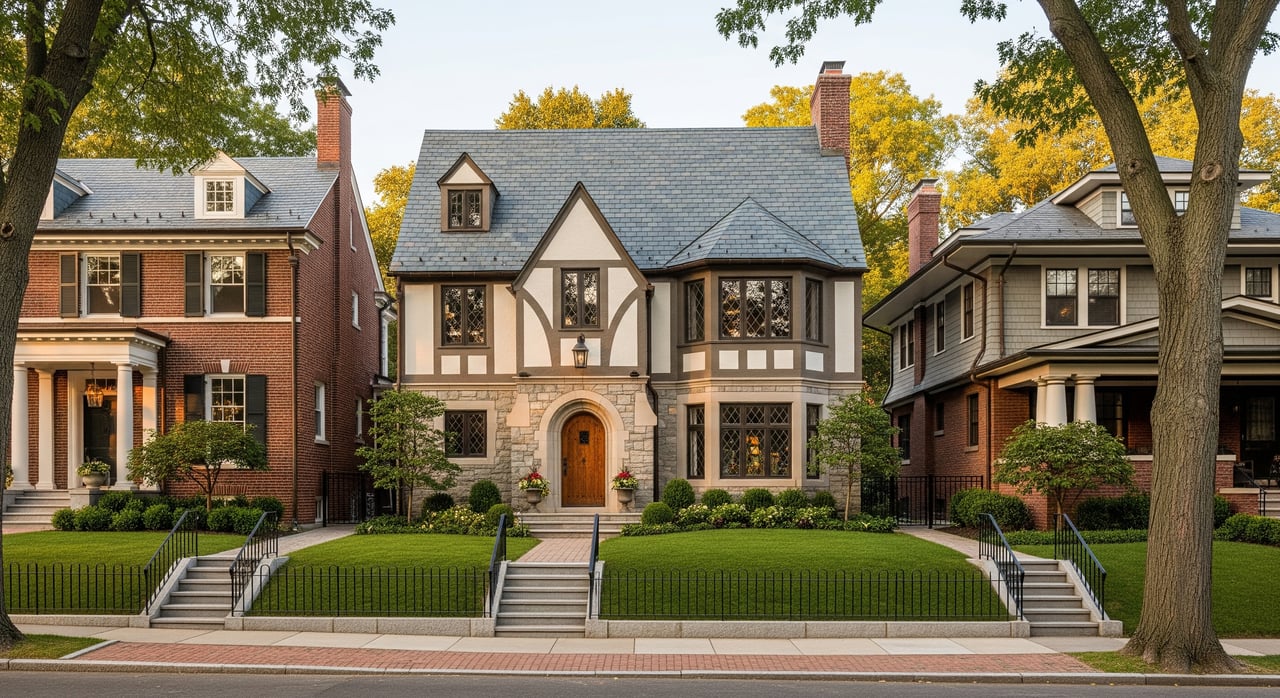
Shopping for a home in Montclair and wondering why no two houses look the same? You’re not imagining it. Montclair grew across several eras, so you see bold Victorians near classic Colonials, storybook Tudors, and airy mid‑century homes. This guide helps you spot the most common styles, understand typical layouts, and plan for maintenance, renovation, and resale. Let’s dive in.
Why Montclair homes look different
Montclair’s neighborhoods reflect a long development arc from the late 1800s through the post‑WWII years. That timeline produced a rich mix of Victorian, Tudor Revival, Colonial Revival, and mid‑century homes. You can often find clusters by era, with larger, older homes near historic areas and later homes in streets developed mid‑century.
What this means for you is a lot of character alongside older systems. Expect plaster walls, original wood windows, and boiler heat in some homes. You also get mature trees, front porches, and high ceilings. Many buyers update kitchens and baths, plus plan energy upgrades.
Montclair has local historic preservation review in designated districts. If you are planning exterior changes, confirm rules with the Montclair Historic Preservation Commission and the Township building and zoning offices. Always check permit histories before you commit to major work.
Victorian homes: what to know
How to spot a Victorian
- Asymmetrical facades, steep roofs, and front gables
- Wraparound porches, bay windows, and occasional turrets or towers
- Decorative brackets, spindlework, and patterned shingles
- Wood siding and shingles are common
Layout and interior features
- Compartmentalized rooms like parlor, dining room, and library
- High ceilings, formal staircases, original millwork, and plaster walls
- Multiple fireplaces are possible
- Attics can be complex; basements may have lower headroom
Maintenance watch items
- Complex roofs and possible slate or original wood shingles that need specialty care
- Wood trim and decorative details that need regular painting and repair
- Original single‑pane wood windows that may be drafty but historically significant
- Older wiring, uninsulated walls, and aging boilers or cast iron plumbing
- Foundation, drainage, or basement dampness concerns
Renovation tips
- Many buyers modernize kitchens and baths while preserving millwork
- Opening walls for a more open plan may require structural work
- Restoring historic details can boost appeal but may raise upfront costs
Resale snapshot
- Strong curb appeal when well maintained with intact details
- Turnkey, open‑plan seekers may prefer homes with completed updates
Tudor Revival: cozy character
How to spot a Tudor
- Steep gables and tall brick or masonry chimneys
- Decorative half‑timbering with stucco infill
- Tall, narrow grouped windows, often leaded or multi‑pane casements
- Brick or stone accents and arched entries
Layout and interior features
- Comfortable, compartmentalized rooms with nooks and built‑ins
- Exposed beams in some interiors
- Originally smaller kitchens and multiple smaller bedrooms
- Full basements are common; some have crawl spaces or attics
Maintenance watch items
- Steep roofs and possible slate or tile; check flashing and chimney crowns
- Stucco can crack; inspect wood timbers for rot or insects
- Tall chimneys need periodic repointing and flue inspections
- Original windows and insulation may be less efficient
Renovation tips
- Sensitive exterior maintenance preserves curb appeal
- Kitchen expansions and mechanical updates are common
- Structural work for open plans can be complex due to roof geometry
Resale snapshot
- Buyers value authentic Tudor details with updated kitchens and baths
- Well‑maintained exteriors help values hold firm
Colonial Revival: adaptable and familiar
How to spot a Colonial Revival
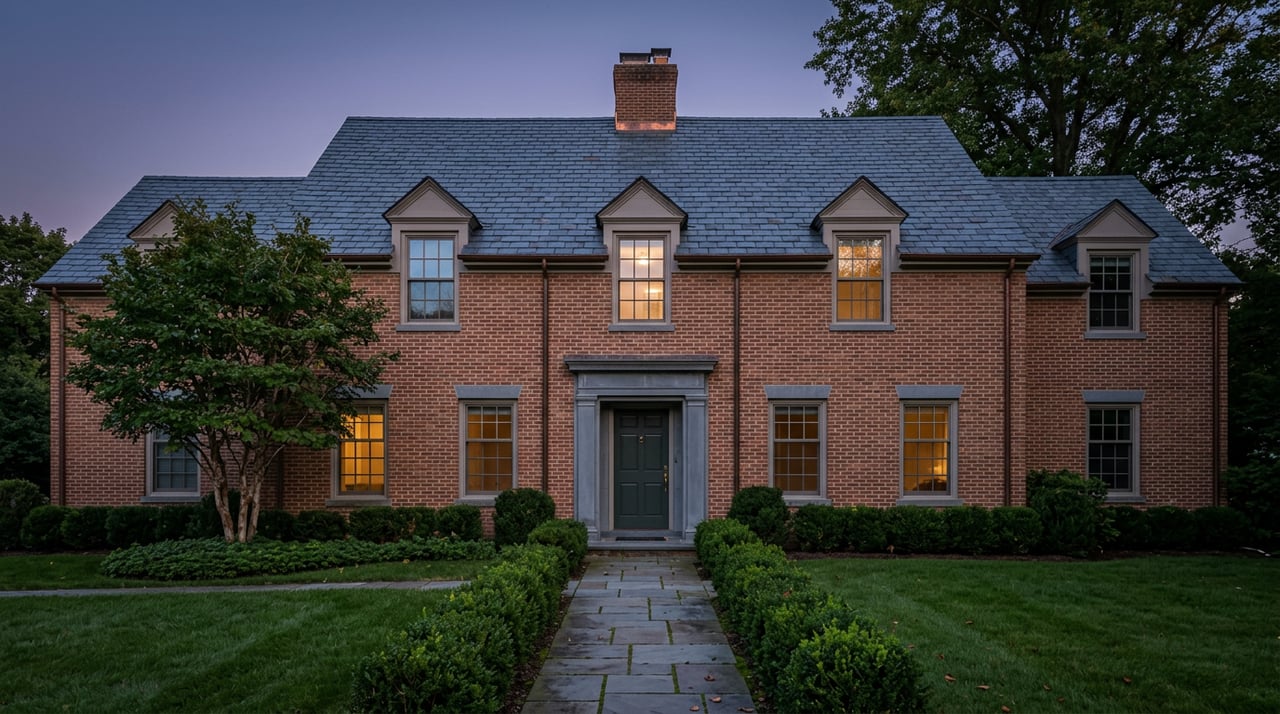
- Symmetrical front with a centered entry, often with a pediment or portico
- Multi‑pane double‑hung windows
- Side‑gabled roofs; clapboard or brick exteriors
- Variants include Dutch Colonials with gambrel roofs
Layout and interior features
- Center‑hall plans with living and dining rooms on either side
- Later versions may include more modern kitchens and attached garages
- Regular room sizes and moderate ceiling heights
Maintenance watch items
- Asphalt roofs are common and more affordable than slate or tile
- Original wood windows may be repairable or candidates for efficiency upgrades
- Many systems have been updated over time, but verify ages and permits
Renovation tips
- Opening the kitchen to a family room is usually straightforward
- Rear additions are common to expand living space
- Basements often finish well thanks to regular floorplans
Resale snapshot
- Broad appeal due to familiar layout and easy modernization
- Updated kitchens, baths, and well‑kept exteriors drive value
Mid‑century modern: light and flow
How to spot a mid‑century
- Low‑sloped or flat roofs and simple lines
- Large windows, clerestories, and sliding doors to patios or yards
- Open plans with built‑ins and integrated garages or carports
- Minimal ornamentation and strong indoor‑outdoor connection
Layout and interior features
- Open living, dining, and kitchen zones
- One level or split‑level plans
- Original forced air or hot water systems may still be present
Maintenance watch items
- Flat or low‑slope roofs need vigilant drainage and membrane care
- Large expanses of glass can be energy‑inefficient if not upgraded
- Some period materials, like asbestos siding or certain insulation, require testing and proper abatement during renovations
Renovation tips
- Keep the light and openness; focus on kitchens, baths, and energy upgrades
- Improve insulation and HVAC while protecting sight lines and design integrity
Resale snapshot
- Strong niche demand for well‑preserved homes with tasteful updates
- Over‑altered homes may lose the character that attracts buyers
Montclair buyer checklist
Inspections to prioritize
- Full home inspection for structure, roof, HVAC, electrical, and plumbing
- Radon testing and moisture assessment if signs are present
- Older home extras: lead‑based paint risk assessment, knob‑and‑tube wiring check, asbestos inspection if renovations are planned, chimney and flue inspection, slate or tile roof evaluations
- Energy audit or blower door test to target air sealing and insulation
- Structural engineer review if you see significant cracks, sagging, or non‑original additions
Smart questions for the seller
- Ages of roof, HVAC, electrical, and plumbing; any recent replacements
- What permits were pulled for renovations and were inspections completed
- Historic district status or preservation review requirements for exterior changes
- Any drainage or foundation issues and mitigation history
- Known environmental concerns like lead paint, asbestos, radon, or mold
Permits and approvals
- In designated historic districts, exterior changes visible from the street may require review
- Always confirm municipal permit histories for past work
Budget and timing
- Plan for immediate repairs plus medium‑term upgrades like kitchens, baths, and energy improvements
- Specialized work, such as slate roof repair or historic window restoration, can take time and skilled contractors
- Energy upgrades can reduce long‑term utility costs but need upfront investment
Financing options
- Some lenders require repair items to be addressed before closing
- Renovation loans like FHA 203(k) or Fannie Mae HomeStyle can help finance major updates; consult a local mortgage professional about fit
Listing terms decoded
- “Original details”: Historic moldings, staircase, trim, or windows; systems may also be older
- “Open concept”: Combined living, dining, and kitchen; not typical in older layouts unless renovated
- “Period charm” or “character”: Original features that add appeal; weigh preservation costs
- “Needs TLC”: Expect deferred maintenance or cosmetic fixes; rely on inspections
- “Renovated”: Ask which systems and finishes were updated and whether permits were pulled
- “Historic district” or “contributing structure”: Exterior changes may be limited; confirm local rules
- “Detached garage” vs “integral garage”: Impacts parking and expansion potential
Your next step
Choosing between a Victorian, a Tudor, a Colonial Revival, or a mid‑century in Montclair comes down to the lifestyle you want and the upkeep you are ready to take on. Use this quick guide to spot each style and plan smart inspections, upgrades, and timelines. If you want a plan tailored to your budget, timeframe, and preferred neighborhoods, our team can help coordinate the process from first tour to close.
Have questions or want to tour homes that fit your style? Connect with Jacqueline Morales for personalized guidance.
FAQs
Will I face restrictions on replacing windows or trim in Montclair historic areas?
- If the home sits in a designated historic district, exterior changes visible from the street often require review. Always check local rules and permits before planning work.
Can I add on to an older Montclair home?
- Many homes allow additions, but zoning setbacks, lot coverage, and possible historic review apply. Confirm requirements with municipal planning and zoning before designing.
Are lead paint and asbestos common in older Montclair homes?
- Homes built before 1978 may have lead‑based paint, and older insulation, siding, or flooring can include asbestos. Test before renovation and use proper abatement if needed.
How costly is a slate or tile roof to maintain?
- Slate and tile roofs are long‑lived but pricier to repair or replace than asphalt. Get inspections and estimates from contractors who specialize in these materials.
What inspections should I prioritize for a Montclair older home purchase?
- Start with a full home inspection and add specialized checks for radon, chimneys, slate or tile roofs, knob‑and‑tube wiring, lead paint, and asbestos if renovations are planned.